Custom Silicone Vacuum Bags: Shapes, Sizes and Lead Time, Explained
A custom silicone vacuum bag is built to your laminator bed, not to a catalogue size. This guide covers the four bag geometries, how wall thickness and port position are specified, what drawings a supplier needs for a quote, and realistic lead times and MOQs.
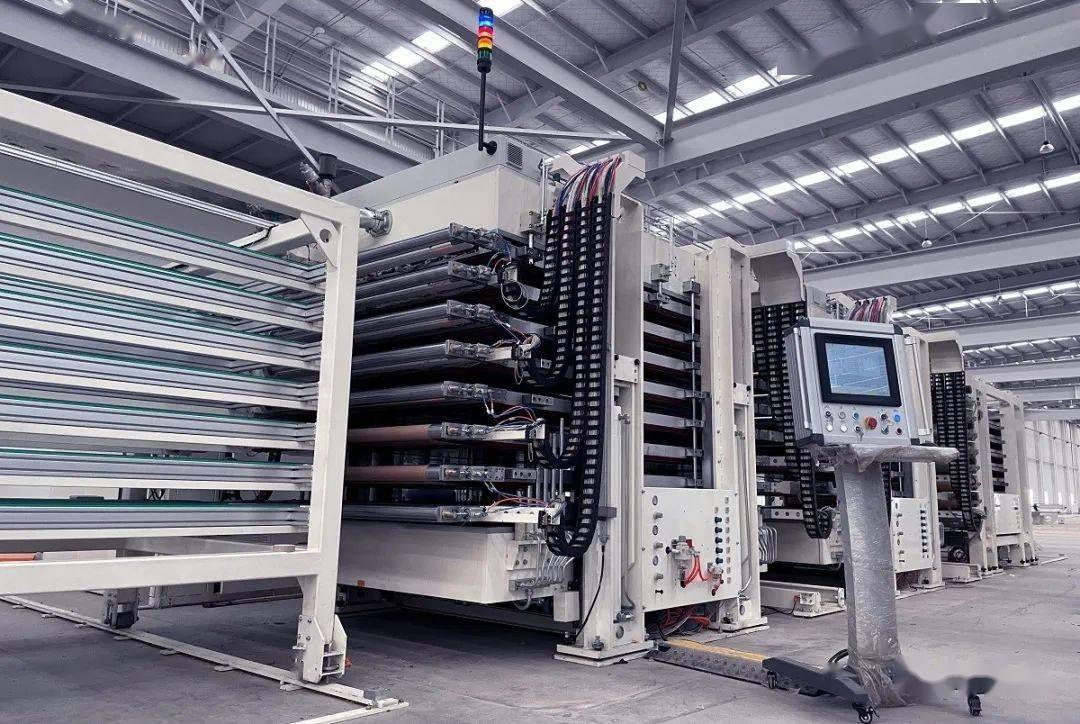
Almost nobody buys a silicone vacuum bag off the shelf. A laminator bed is a fixed piece of geometry, and the bag has to wrap it — including the vacuum port position, the frame groove, the depth needed to drape over busbars, and the clearance for the module frame. That is why a quote from a custom silicone vacuum bag supplier usually starts with a drawing rather than a part number. This guide walks through what "custom" actually changes, the four bag geometries in common use, how wall thickness and port placement are decided, what to send for a quotation, and what lead times and minimum order quantities are realistic.
What "Custom" Changes Compared With a Stock Bag
A stock bag is defined by a bed size range and a wall thickness. A custom silicone vacuum bag is defined by five variables that all interact: the finished internal dimensions, the bag depth, the wall thickness, the port location and diameter, and the edge or frame interface. Change one and the others usually move with it.
The practical difference shows up in yield. A bag that is 20 mm short in depth will bridge over the busbars instead of draping around them, and bridging is where bubbles and micro-cracks begin. A port placed 40 mm off the ideal spot can sit in a frame groove and leak slowly enough that the gauge never flags it, but the electroluminescence inspection does. Those are geometry problems, not material problems, and no compound upgrade fixes them.
Step 1: Measure the Interface, Not Just the Bag
Buyers often send the old bag's dimensions. That is a reasonable starting point, but it bakes in whatever compromises the previous supplier made. Four measurements matter more:
- Bed footprint — the usable platen length and width, not the machine's external dimensions.
- Required bag depth — the height the bag must lift to clear the tallest stack in the cycle. Add clearance for frames and busbars rather than measuring the laminate alone.
- Port position — measured from two datum edges, plus the port bore and thread or hose barb.
- Frame or clamping interface — groove width and depth, bolt pitch on a clamped frame, or the profile of a quick-release rail.
If the bag is being replaced because of a persistent leak, photograph the failure location as well. Seam failures, port tears and abrasion at the frame corner point to three different fixes, and only one of them is "make the bag thicker".
Step 2: Choose the Bag Geometry
Four shapes cover most laminating and vacuum-press work. The right one is decided by bed size, cycle temperature and how often the format changes.
Flat pillow bag
Two sheets joined on all four edges, with one port. This is the default for solar module lamination at 150–180 °C. A 1.5–3 mm wall in reinforced silicone gives 500+ cycles when the bag is built seamless with no joint in the vacuum path. Pillow bags are the lowest-cost geometry per square metre, but they need slack in the depth direction — a tight bag will bridge.
U-seal or E-shaped bag
A single sheet folded and welded along one continuous seam, often with an internal frame that slides into the machine. The U-seal removes corner joints, which is where most seam failures start. It suits glass lamination furnaces and presses where the bag is clamped to a frame rather than laid flat. In one architectural glass installation, a one-piece U-seal welded in a single pass was part of cutting changeover downtime by 65%, with a bag change taking one operator about 20 minutes — you can read the details in the transparent glass bag case study.
Tube-port bag for vacuum presses and composites
Bags for woodworking and composite vacuum presses usually need a hose connection rather than a flange port, plus enough slack to conform to a curved or stepped layup. Walls are typically thicker here because the bag is handled more and the pressure differential is applied repeatedly. If your process is a press rather than a laminator, start from the vacuum press application page to compare bag and membrane options.
Roll film for oversize beds
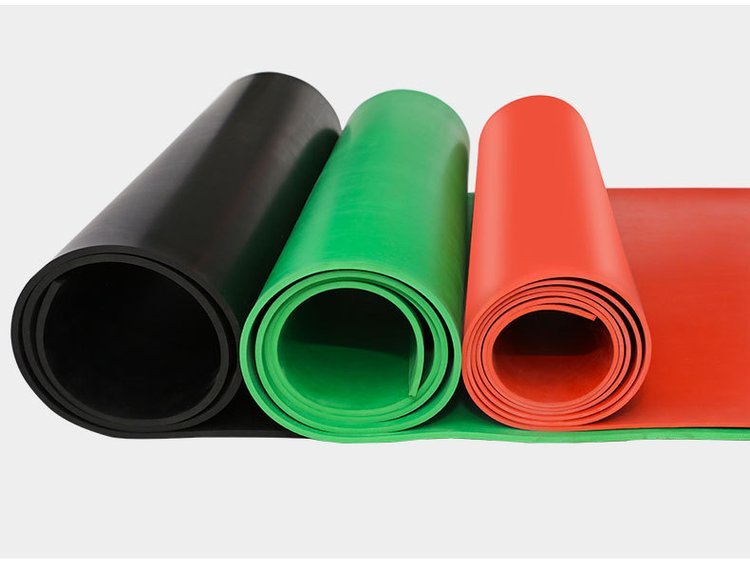
Above roughly 3 m in one dimension, a fabricated bag becomes awkward to ship and hard to guarantee. Silicone bag film on a roll — 0.8–2 mm thick, up to 3000 mm wide, in 10–50 m lengths — lets you weld the bag in place or replace only the worn panel. It is the usual answer for very large or frequently reformatted beds.
| Geometry | Typical use | Wall | Watch out for |
|---|---|---|---|
| Flat pillow | PV module lamination | 1.5–3 mm | Insufficient depth causes bridging |
| U-seal / E-shaped | Glass furnaces, framed presses | 2–4 mm | Frame groove tolerance |
| Tube-port | Composites, woodworking presses | 2–4 mm | Hose barb sealing and strain relief |
| Roll film | Beds over ~3 m | 0.8–2 mm | Field welding quality |
Step 3: Specify Wall Thickness and Compound
Thickness is a trade between cycle life and drape. A 2.5 mm wall survives more cycles than a 1.5 mm wall at the same temperature, but it conforms less readily around tight radii. For glass work, 2–4 mm high-clarity silicone is the norm because operators need to watch interlayer flow; those bags are rated to 160 °C and 400+ cycles. For PV, 1.5–3 mm at up to 180 °C is typical.
Compound selection matters as much as gauge. Platinum-cured silicone is the standard for bags that contact EVA, because peroxide-cure residues can migrate and cause staining or hazing. If the bag will see oils, release agents or repeated cleaning, say so at quotation stage — it changes the compound, not just the price.
Step 4: Seam and Port Construction
These two details decide whether a bag lasts 14 months or one quarter. A stitched and glued seam is a mechanical joint; heat and EVA outgassing will eventually lift it. A vulcanised one-piece seam becomes the same material as the wall. Ask specifically whether there is any joint inside the vacuum path.
Port design deserves the same scrutiny. A bonded flange port concentrates stress at a single ring; a moulded-in port spreads it. Either way, the port should not sit where the bag folds, and the hose should be supported so that pulling on it does not peel the port off. In the German PV lamination case, relocating the port 40 mm and adding 6 mm of bag depth were as important as the switch to platinum-cured silicone — the bag went from quarterly replacement to 14 months with zero seam failures.
Step 5: What to Send for a Quotation
A supplier can quote from a dimensioned sketch; they cannot quote from "a bag for a 4 × 2 m laminator". Include:
- A plan drawing with bed length, width and required depth, plus port coordinates from two datums.
- Maximum continuous temperature and peak temperature, with dwell time.
- Cycle recipe: cycles per day, hold time, pressure or vacuum level.
- Frame interface drawing or a photo with a ruler in shot.
- Whether clarity is required, and the colour preference if not.
- Quantity for the first order and the expected annual volume.
With those six items, a technical quotation and drawing confirmation are normally possible within 48 hours. Anything less usually produces a price with assumptions buried in it, which is how buyers end up comparing quotes that are not the same bag.
Lead Time and MOQ: What Is Realistic
Custom bags are fabricated, not moulded, so there is no tooling charge — but there is a first-article step. A working expectation for a first order is 10–20 days from drawing approval to shipment, with sample material or a small trial bag available earlier on a freight-collect basis. Repeat orders against an approved drawing are shorter because the pattern already exists.
Minimum order quantity is usually one bag or one set. That is worth insisting on: a single trial bag on your own line, run through 30–50 cycles with vacuum decay logged per cycle, tells you more than any datasheet. Membrane and bag suppliers who will not ship one unit for trial are usually reselling rather than fabricating.
Where Custom Bag Projects Go Wrong
Three failures account for most of the problems we see. First, quoting from the old bag's dimensions, which reproduces a defect. Second, specifying thickness before depth — a thick bag that bridges is worse than a thin bag that drapes. Third, ignoring the frame interface, so a perfectly made bag will not seat. Each is avoidable with a drawing review before fabrication rather than after.
FAQ
How long does a custom silicone vacuum bag take to make?
Allow 10–20 days from approved drawing to shipment for a first order. Trial material or a single sample bag can usually be sent sooner, freight collect. Repeat orders against the same drawing are faster because the pattern and seam program already exist.
What is the minimum order for a custom bag?
One bag or one set is standard for silicone vacuum bags, because they are cut and welded rather than moulded. There is no tooling cost, so a trial unit is the normal way to start before committing to an annual quantity.
Can you match the bag to an existing frame or clamping system?
Yes, provided the frame profile is measured or photographed with a reference scale. Groove width and depth, bolt pitch and the corner radius all affect how the bag seats. Send the frame drawing with the bed dimensions and the two are designed together.
Do custom bags cost much more than stock sizes?
Not usually. Fabrication is driven by material area and seam length, so a made-to-size bag is priced close to a stock bag of similar footprint, and it avoids the off-cut waste and poor fit of forcing a standard size onto a non-standard bed.
Next Step
If you are replacing a bag that keeps failing — or specifying one for a new line — send the bed drawing, the temperature and the frame detail to Jonathan at SHINEKIM Silicone. You will get a drawing confirmation and a technical quotation, and a free sample of the bag material so your team can check drape and shore hardness before ordering. WhatsApp +86 131 4075 9279 or email shinekimrubber@163.com.
把图纸或样品寄给我们,48 小时内回复选型与报价。
获取报价