01 The problem
The press draws 800 mm deep over a mould with 15 mm corner radii. At those corners the membrane stretches to several times its flat-state length. A 1 mm sheet simply did not have the tear strength to survive it: cracks started at the radius and propagated across the sheet within three months.
Thicker material was an obvious idea, but the plant had tried a stiff 70 Shore A sheet and found it bridged the deep recesses instead of drawing into them, which traded splitting for shaping defects.
02 What we changed
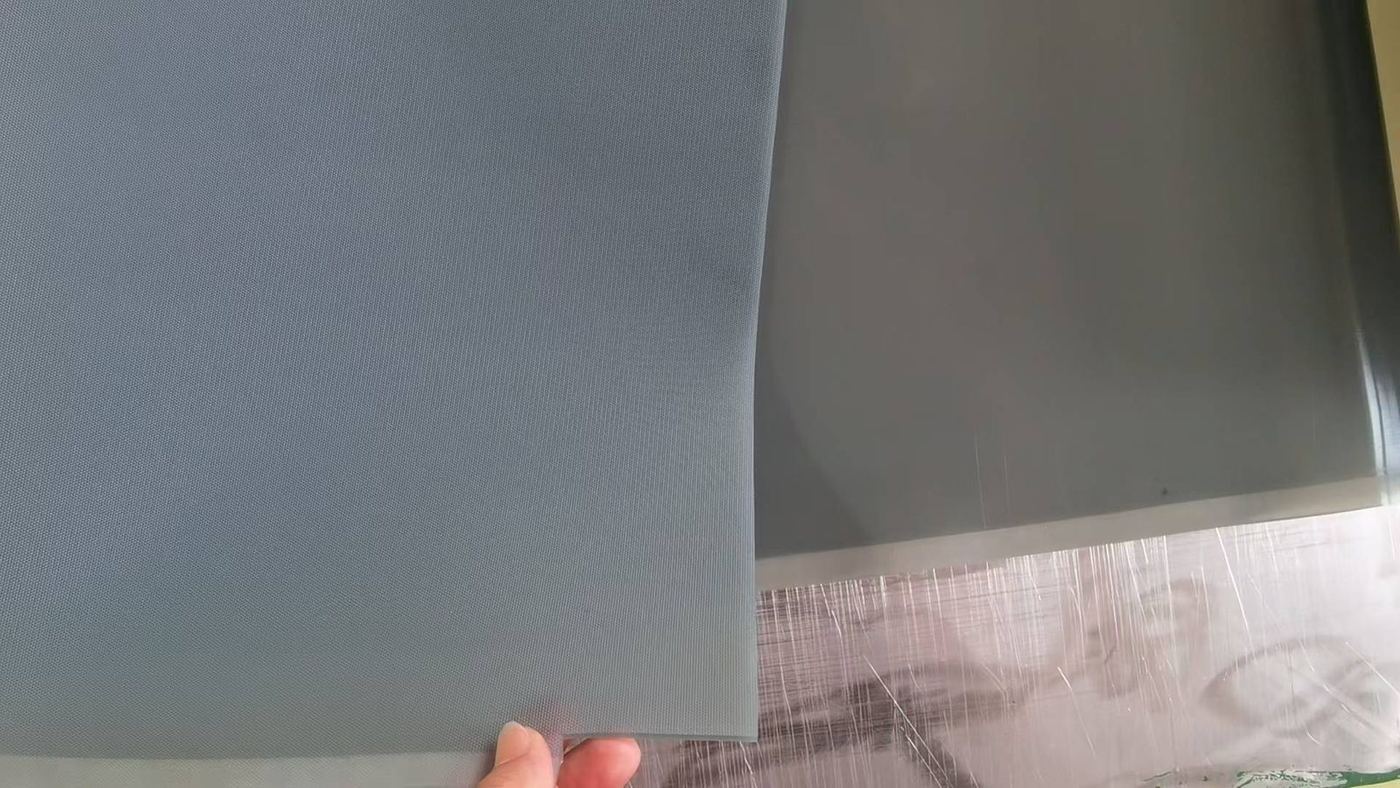
We went to 2 mm at 60 Shore A — thicker for tear resistance, but softer than the sheet they had tried, so it still draws into the recesses. Platinum curing gives a tighter crosslink network and noticeably better tear propagation resistance than the peroxide-cured sheet they were running.
We also supplied the sheet pre-trimmed to their frame with vulcanised edge beads, removing the clamped edge that was acting as a stress riser.
| Material | Platinum-cured silicone sheet |
|---|---|
| Thickness | 2.0 mm (was 1.0 mm) |
| Hardness | 60 Shore A |
| Elongation | 800% |
03 The outcome
Replacement frequency fell by about 70%. The first membrane passed six months in service with no corner cracks and is still running.
Scrap from shaping defects dropped 1.2 percentage points, since the softer sheet now forms the deep recesses properly instead of bridging them.
Send us the failure mode, operating temperature and cycle count — recommendation and samples within 48 hours.
Request a Quote