01 The problem
The plant runs 60 pressing stations, each with a steam-heated table. The original PU foam pads absorbed condensate, and once saturated they wicked water back into the garment — visible as water marks on dark uniform fabric, which meant re-pressing or scrapping.
The pads also collapsed under the iron within four to six weeks, so the table surface went concave and pressure became uneven across the panel.
02 What we changed
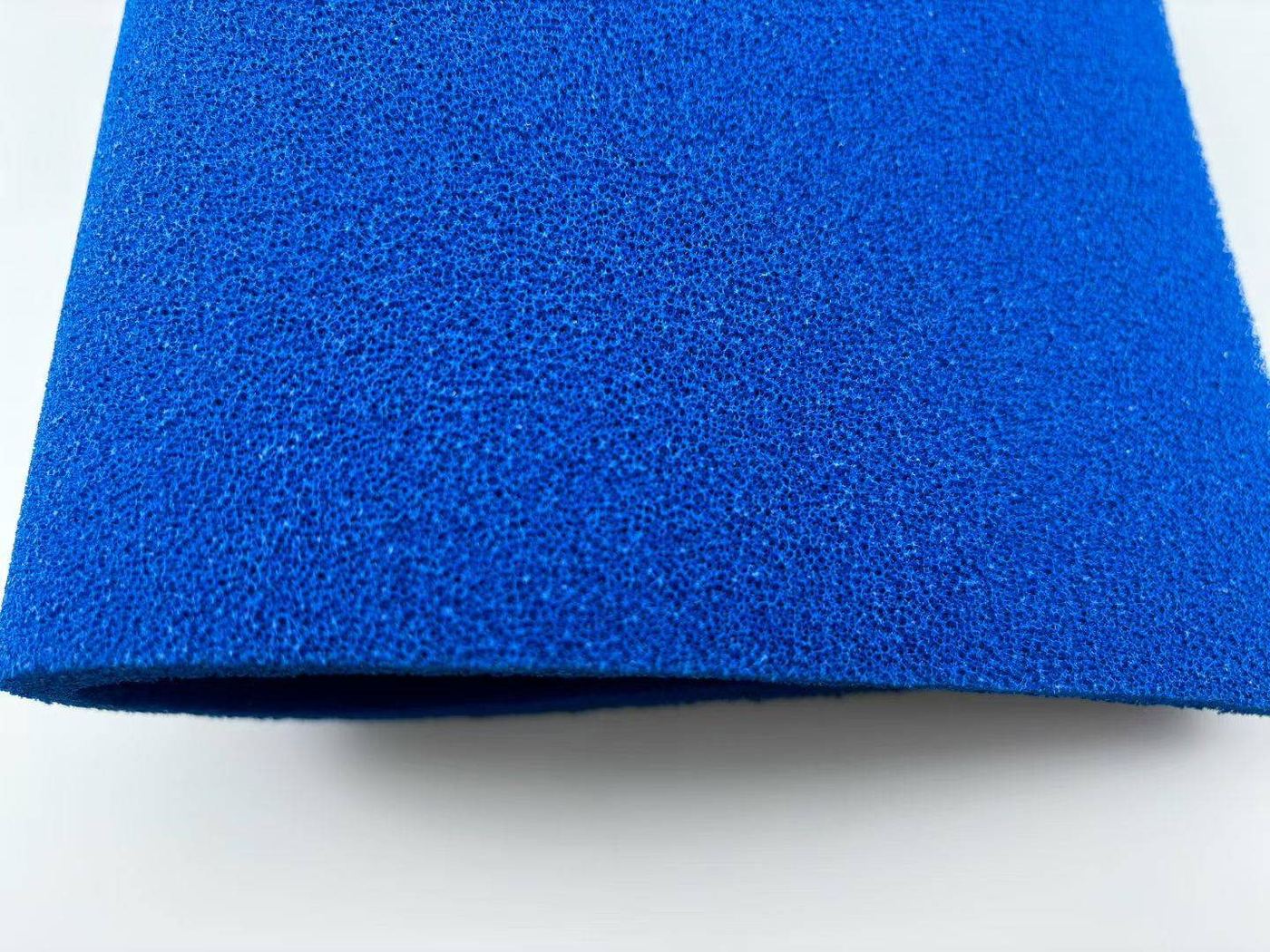
We replaced the pads with 10 mm open-cell silicone foam. The open cell structure is steam-permeable: steam passes through the pad and out, so condensate never accumulates. Silicone also does not soften at 200 °C the way PU does, so the pad keeps its thickness.
Pads were cut to each table profile with a 5 mm overhang, and the first batch of 60 was delivered in nine days.
| Material | Open-cell silicone foam |
|---|---|
| Thickness | 10 mm |
| Cell structure | Open cell, steam-permeable |
| Temperature | Continuous 200 °C |
03 The outcome
Pad life went from about one month to nine months. Across 60 stations that removed roughly 600 replacement pads a year from the maintenance schedule.
Rework from water marks fell by about 30%, and operators reported more even pressure on curved panels because the table surface stayed flat.
Send us the failure mode, operating temperature and cycle count — recommendation and samples within 48 hours.
Request a Quote