Why Silicone Gaskets Fail: Five Causes and How to Specify Them Right
Most gasket failures are specification errors, not material defects. Compression set, groove design, tolerance and chemical exposure, explained with fixes.
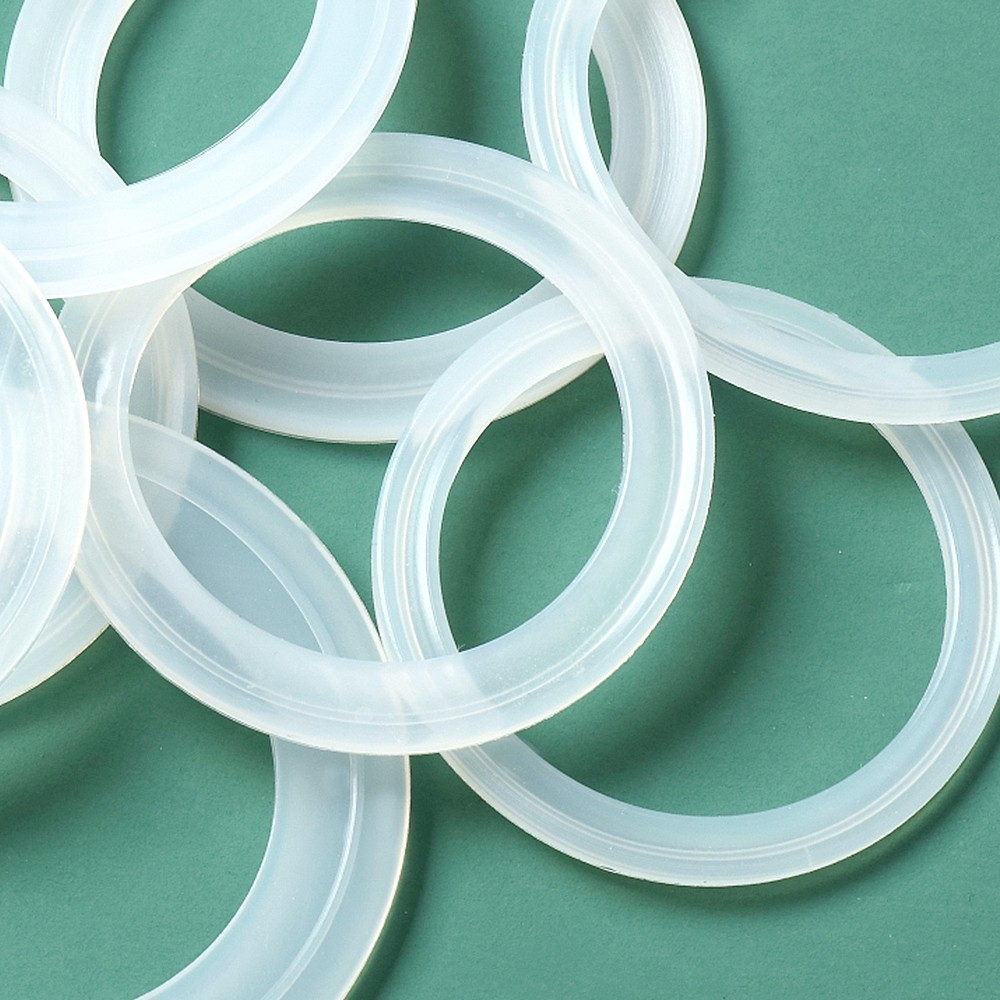
When a silicone gasket leaks, the instinct is to blame the rubber. In practice the compound is rarely the problem — the specification usually is. These are the five failure modes we see most often.
1. Compression set from over-compression
Silicone tolerates a lot, but not being crushed. Design for 20–30% compression in a static face seal. At 40%+ the material takes a permanent set, and when the joint opens again it no longer springs back.
2. Groove volume too small
The groove must have room for the displaced material. If the groove is filled more than about 85%, the gasket cannot compress and the housing metal-to-metal contact does the sealing — badly.
3. Tolerance stack-up
A ±0.1 mm die-cut tolerance is fine on a 100 mm gasket and useless on a 2 m frame. On large perimeters, specify the cut tolerance and a flatness requirement, or the gasket will bridge and leak at the middle of each edge.
4. The wrong hardness for the flange
Thin stamped flanges deflect. A 70 Shore A gasket on a 1.5 mm steel cover will bow the cover instead of compressing. Drop to 40–50 Shore A, or add stiffening.
5. Chemical exposure the datasheet did not cover
Silicone is excellent in hot air, water and many oils, and poor in some solvents and fuels. If the gasket sees cutting fluid, hydraulic oil or cleaning chemicals, check compatibility before ordering — not after the leak.
Specification checklist
- Compound and hardness (Shore A) with a tolerance
- Thickness and thickness tolerance — this drives compression more than width does
- Cut method: die-cut for volume, waterjet for prototypes and thick sections
- Compression target and groove dimensions, stated on the drawing
- Certification if food, medical or drinking water contact applies (FDA, LFGB)
Send us a drawing or a sample and we will return a quote with the recommended compound, hardness and cut method — usually within 48 hours.
把图纸或样品寄给我们,48 小时内回复选型与报价。
获取报价