Open Cell vs Closed Cell Silicone Foam: A Buyer’s Guide
One breathes steam away, the other blocks water completely. Picking the wrong cell structure is the most expensive mistake in ironing-table and gasketing foam.
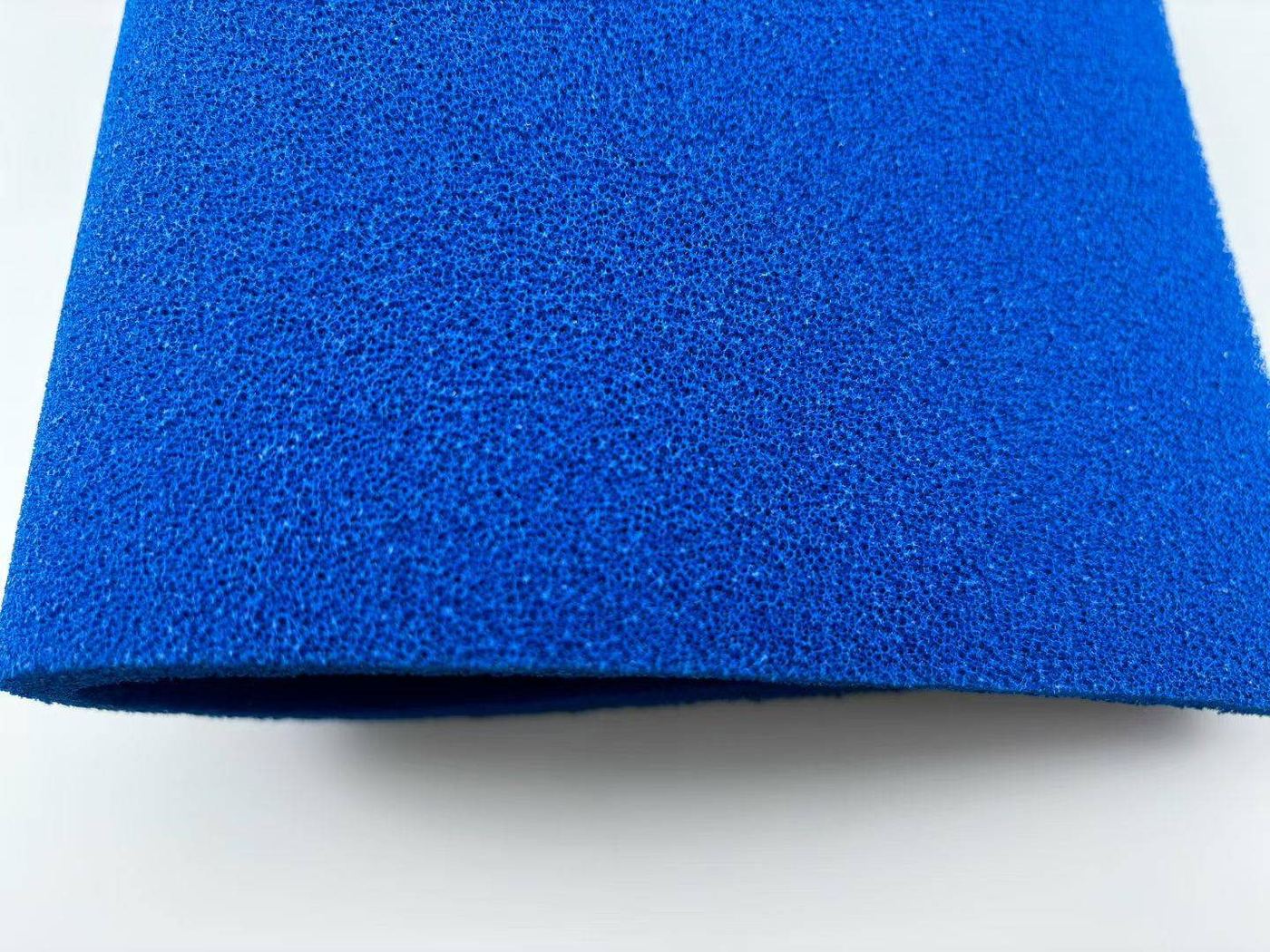
Silicone foam is sold by density and thickness, but the property that decides whether it works is the cell structure — and it is the one buyers ask about least.
Open cell: permeable by design
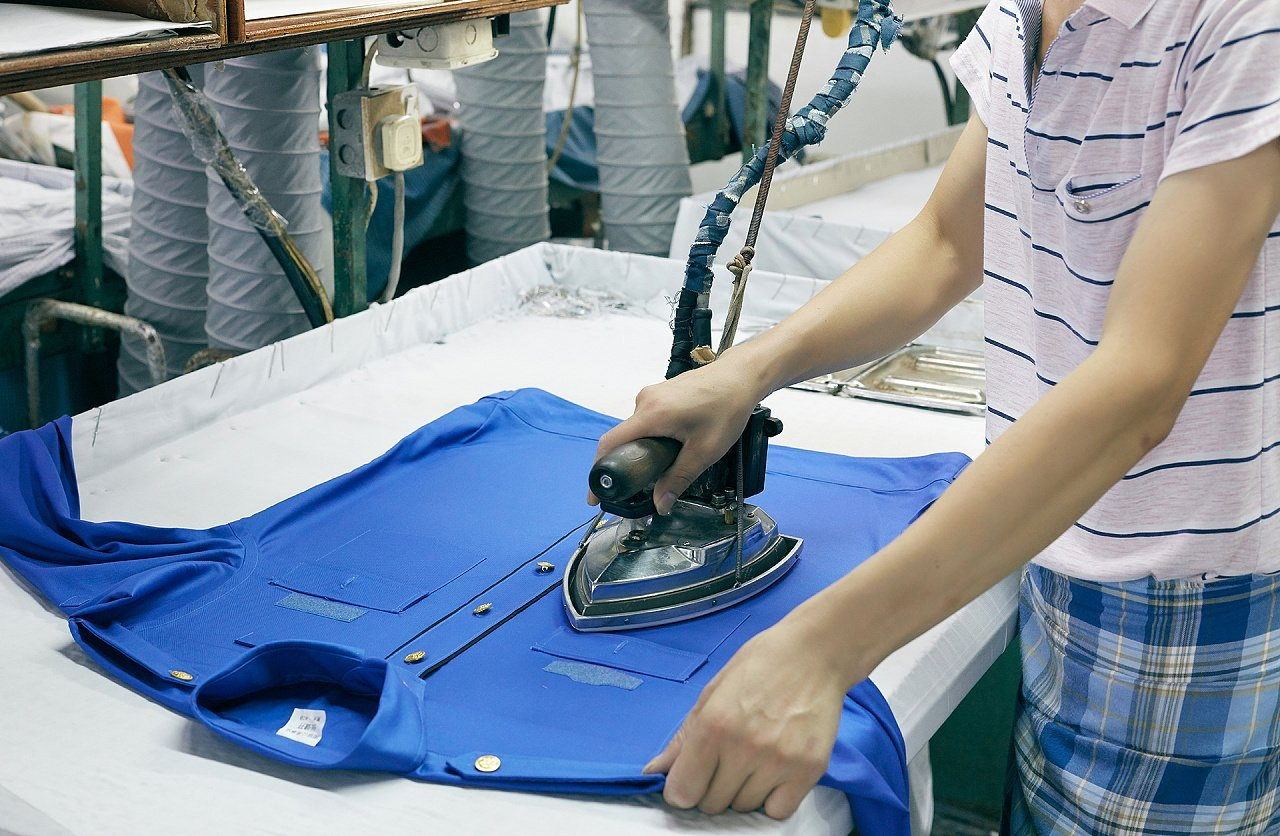
Open cell foam has interconnected pores. Air and steam pass straight through, which is exactly what an ironing table or a pressing pad needs: steam escapes instead of condensing under the garment, and the surface stays dry.
Typical specification: 0.25–0.45 g/cm³, 3–20 mm thick, compression set below 8%. Because it is permeable, it is not a sealing material — never specify it for weather gaskets.
Closed cell: a seal, not a sponge
Closed cell sponge has sealed surfaces. Water absorption stays below 1%, so it works as a weather seal, a vibration pad or an HVAC gasket. It is also the right choice under equipment feet and behind panels where dust ingress matters.
Typical specification: 0.45–0.70 g/cm³, 1–25 mm thick, available with pressure-sensitive adhesive backing.
Side-by-side
| Property | Open cell | Closed cell |
|---|---|---|
| Air / steam permeability | High | None |
| Water absorption | Absorbs | < 1% |
| Compression recovery | Good | Excellent |
| Typical use | Ironing tables, pressing pads | Weather seals, vibration damping |
| Adhesive backing | Rare | Common |
Two checks before you order
Cell count. Finer cells give a smoother pressing surface and better thickness tolerance. Ask for the cell count per inch, not just the density.
Compression set. A foam that takes a permanent set after a week under load will fail as a gasket. Anything above 10% at your working compression is a warning sign.
Both structures are available from SHINEKIM in sheets and rolls up to 1,200 mm wide, die-cut to shape on request.
把图纸或样品寄给我们,48 小时内回复选型与报价。
获取报价