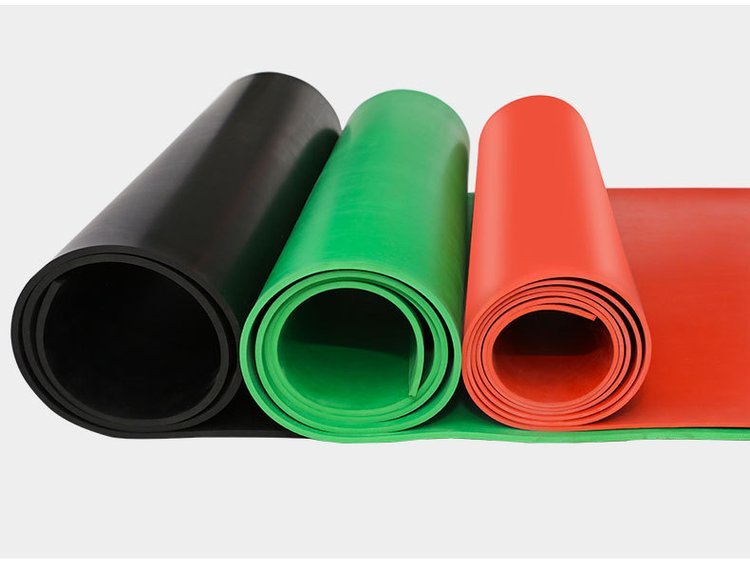
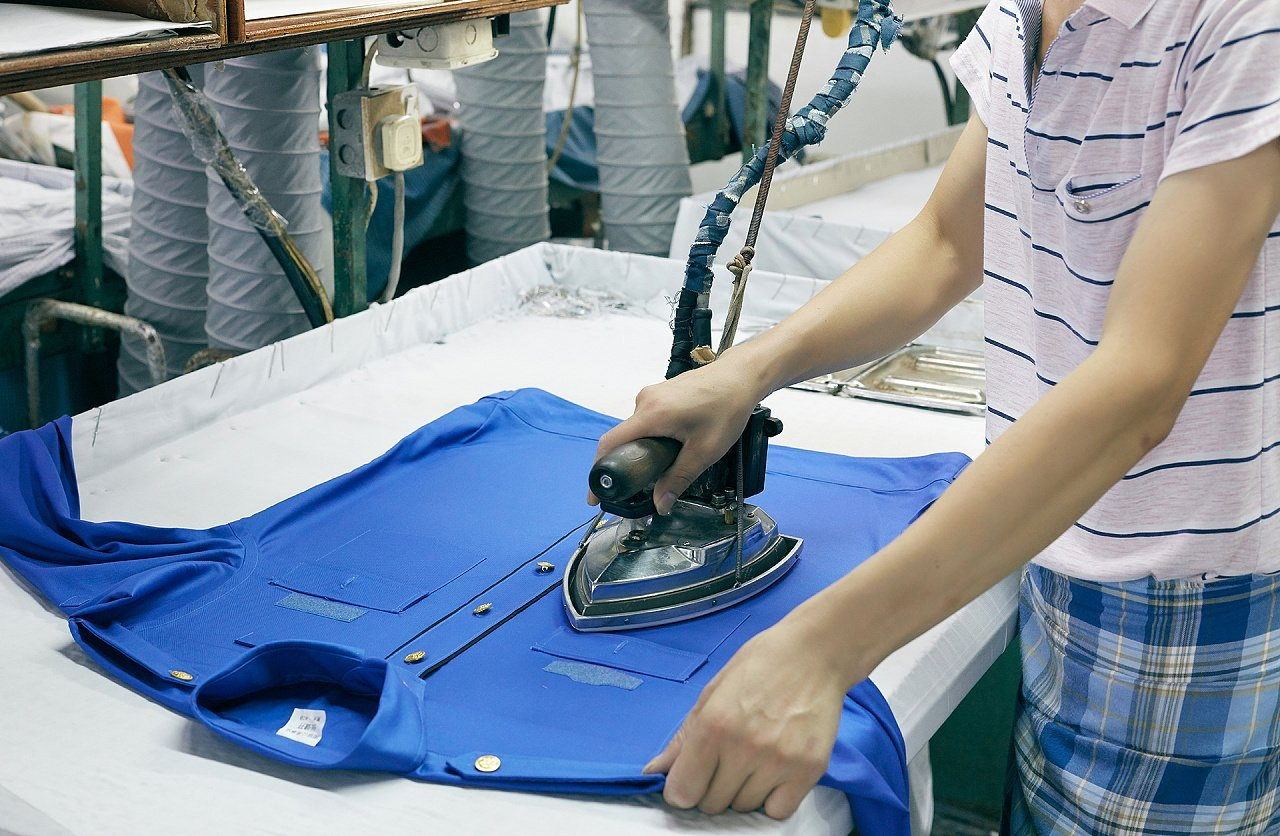
How to Choose a Silicone Membrane for Your Vacuum Press
Thickness, hardness, elongation and service temperature decide whether a membrane lasts 3 months or 3 years. Here is how to specify one that survives your press cycle.
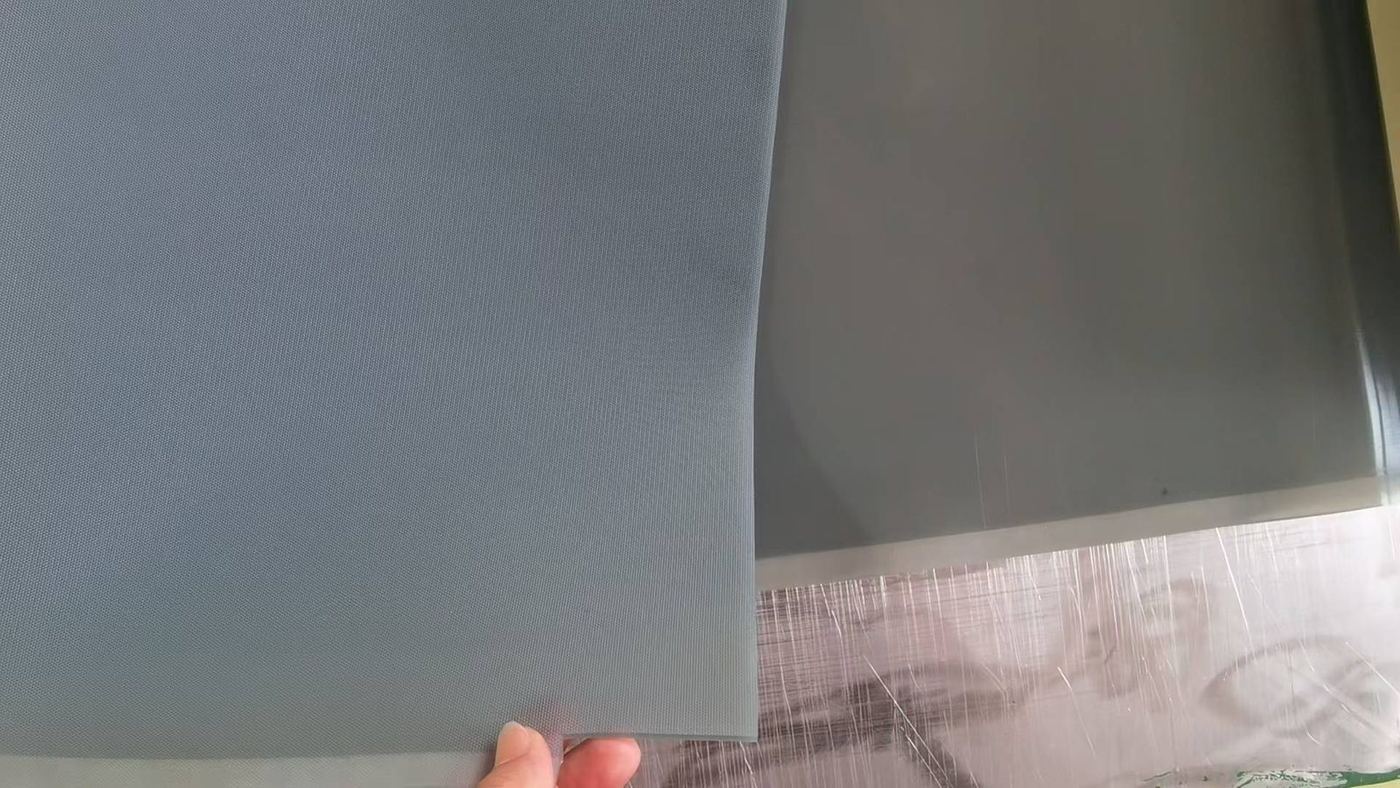
A silicone membrane is the single most abused part of a vacuum press. Every cycle it stretches over a mould, is pressed against hot platens and then snaps back. Choose it badly and you will be replacing it quarterly; choose it well and it runs for years without creasing.
1. Start with the press, not the material
Four numbers define the membrane you actually need: maximum mould height, press platen temperature, vacuum level and cycle time. A membrane that is asked to drape over a 900 mm mould needs far more elongation than one forming flat panels, even if both presses look identical.
2. Thickness: the most common mistake
Buyers often default to 1 mm to save money. That is usually wrong. Thin membranes heat faster but have almost no reserve elongation, so they thin out over tall moulds and fail at the crease line first.
| Mould height | Suggested thickness | Typical life |
|---|---|---|
| Up to 200 mm | 1.0 – 1.5 mm | 2,000+ cycles |
| 200 – 500 mm | 1.5 – 2.0 mm | 1,500+ cycles |
| 500 – 1,000 mm | 2.0 – 3.0 mm | 800+ cycles |
3. Hardness and elongation
A 60 ± 5 Shore A compound with 800% elongation is the workhorse specification for woodworking and solid-surface presses. Softer compounds (40–50 Shore A) conform better to complex shapes but wear faster at the clamp frame. Harder compounds resist abrasion but transfer less pressure into tight corners.
4. Temperature and the hot/cold cycle
Continuous service at 200 °C is routine; short excursions to 230 °C are acceptable for most platinum-cured compounds. What kills membranes faster than peak temperature is cycling — repeated heating and cooling embrittles cheap peroxide-cured rubber within months. Ask for platinum-cured silicone if your press runs more than 20 cycles a day.
5. Surface finish and release
A smooth, uniform surface releases from resin and glue without mould release agents. Textured finishes trap resin and are only worth specifying when you need air bleed channels.
6. What to ask a supplier
- Compound cure system (platinum vs peroxide) and a data sheet with actual lot values
- Elongation at break and tear strength, not just hardness
- Whether the sheet is calendered or press-cured — press-cured sheet is more uniform in thickness
- Sample availability: always run a trial roll before committing to a full width
SHINEKIM supplies vacuum-press membranes from 1 mm to 5 mm in widths up to 3,800 mm, with free A4 samples so you can validate the compound on your own press before ordering.
把图纸或样品寄给我们,48 小时内回复选型与报价。
获取报价